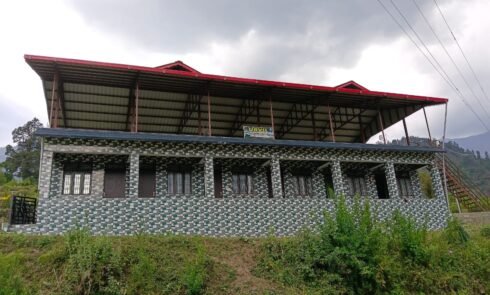

Dhyan Badri Temple: History, Location, How to Reach & Travel Guide
Dhyan Badri Temple is a sacred Hindu shrine dedicated to Lord Vishnu, located in the beautiful Urgam Valley of Chamoli district, Uttarakhand. It is recognised as one of the Sapta Badri temples and is known for its distinctive four-armed black-stone idol of Lord Vishnu in a meditative posture. Surrounded by the peaceful Himalayan landscape, Dhyan Badri Temple is an important place for pilgrims and travellers exploring the religious heritage of Garhwal.
Unlike the more widely visited temples of Uttarakhand, this shrine offers a quieter experience in a traditional mountain setting. Its location near Kalpeshwar Temple also makes it possible to include both temples in a visit to Urgam Valley.
If you are planning a trip, this guide explains the temple’s religious significance, traditional history, location, route, nearby attractions and practical travel information.
Table of Contents
- Where Is Dhyan Badri Temple Located?
- Why Is Dhyan Badri Temple Famous?
- History and Traditional Beliefs
- What to See at the Temple
- Dhyan Badri and the Sapta Badri Temples
- How to Reach Dhyan Badri Temple
- Places to Visit Nearby
- Best Time to Visit
- Travel Tips
- Frequently Asked Questions
1. Where Is Dhyan Badri Temple Located?
Dhyan Badri Temple is situated in Urgam Valley in Chamoli district, Uttarakhand. The temple is located near Kalpeshwar, in the Himalayan region of Garhwal.
The nearest major road connection is at Helang, on the Rishikesh–Badrinath highway. From Helang, visitors travel towards Urgam Valley using the available local road and transport arrangements. The exact final approach can depend on road conditions and the point from which you start.
The Shri Badarinath-Kedarnath Temple Committee’s official website also lists Dhyan Badri at Urgam and describes its location near Kalpeshwar. Before travelling, confirm the current route locally because road access and walking sections may change.
2. Why Is Dhyan Badri Temple Famous?
Dhyan Badri Temple is known for three main reasons: its association with Lord Vishnu, its place among the Sapta Badri shrines and the unusual meditative posture of its main idol.
The word “Dhyan” means meditation. The temple’s name reflects the meditative form in which Lord Vishnu is worshipped here.
The main idol is described by the Shri Badarinath-Kedarnath Temple Committee as a four-armed figure made of black stone, shown in a meditative posture. This is an important feature that distinguishes the shrine from many other temples dedicated to Lord Vishnu.
For visitors interested in the sacred temples of Uttarakhand, Dhyan Badri is a meaningful stop during a journey through Urgam Valley.
3. Dhyan Badri Temple History and Traditional Beliefs
Local religious accounts connect Dhyan Badri with the sage Urvarishi. According to traditional belief, Urvarishi meditated in this region and established a shrine dedicated to Lord Vishnu.
The story is part of the religious traditions associated with Urgam Valley. However, a precise historical date for the temple’s construction or establishment is not clearly established in the official information available online. It is therefore better to understand the account as a traditional belief rather than a confirmed historical date.
The temple’s religious identity is also connected with the wider Badri tradition of Uttarakhand. Pilgrims visiting different Badri shrines often include Dhyan Badri as part of a broader spiritual journey through the Garhwal Himalayas.
4. What to See at Dhyan Badri Temple
The four-armed idol of Lord Vishnu
The main attraction is the black-stone idol of Lord Vishnu. It has four arms and is shown in a meditative posture. This detail is specifically mentioned in the official temple committee’s description.
The traditional temple setting
The shrine is located in the mountain landscape of Urgam Valley. The surrounding villages, terraced fields and forested slopes create a peaceful setting for visitors.
The religious atmosphere
Dhyan Badri is a place of worship, not simply a sightseeing stop. Visitors should respect temple customs, follow instructions from the temple staff or local residents and avoid disturbing people who are praying.
Nearby Kalpeshwar Temple
Kalpeshwar Temple, one of the Panch Kedar shrines dedicated to Lord Shiva, is another important religious destination in Urgam Valley. Travellers often plan both temples during the same visit.
5. Dhyan Badri and the Sapta Badri Temples
Sapta Badri refers to a traditional group of seven temples associated with Lord Vishnu in Uttarakhand. Dhyan Badri is included in this group.
The commonly mentioned Sapta Badri shrines are:
- Badrinath or Vishal Badri
- Yogdhyan Badri
- Bhavishya Badri
- Vriddha Badri
- Adi Badri
- Ardha Badri
- Dhyan Badri
Lists and classifications can vary across religious and regional sources. The Shri Badarinath-Kedarnath Temple Committee identifies Dhyan Badri as one of the Sapt Badari temples.
For travellers interested in the religious geography of Uttarakhand, visiting these shrines offers a way to understand the wider Badri tradition beyond the main Badrinath Dham.
6. How to Reach Dhyan Badri Temple
By Road
Travel towards Joshimath on the Rishikesh–Badrinath highway. Helang is the turn-off for Urgam Valley.
From Helang, continue towards Urgam using local transport and the road or walking route available at the time of your visit. The official temple committee’s listing describes a trek from Helang, while current local access may differ. Confirm the exact approach with a local host before departure.
By Train
There is no railway station in Urgam Valley. Rishikesh and Haridwar are commonly used railway points for visitors travelling from Delhi and other cities.
From the railway station, continue by road towards Helang and then make local arrangements for Urgam Valley.
By Air
Jolly Grant Airport near Dehradun is the nearest commonly used airport for this journey. From the airport, travel by road through Rishikesh and the Badrinath highway towards Helang.
From Joshimath
Joshimath is the nearest major town for many visitors. From Joshimath, travel towards Helang and take the local route into Urgam Valley. Ask about shared jeeps, taxis and road conditions before starting.
Important: Do not rely on an old distance or travel-time estimate for the final stretch. Mountain road conditions can change, especially during the monsoon and winter.
7. Places to Visit Near Dhyan Badri Temple
Kalpeshwar Temple
Kalpeshwar is one of the five Panch Kedar temples and an important pilgrimage destination in Urgam Valley. It is traditionally known as the only Panch Kedar shrine that remains open throughout the year, although access can still be affected by weather.
Urgam Village
Urgam is a traditional Himalayan village surrounded by terraced fields, orchards and mountain scenery. It is a good place to experience the quieter side of the valley.
Devgram Village
Devgram is another village in the valley and the starting point for the Bansi Narayan trek. Visitors planning a longer stay can explore the village and learn about local trekking arrangements.
Bansi Narayan Temple
Bansi Narayan is a high-altitude temple reached by trekking from Devgram. It is traditionally opened for worship on Raksha Bandhan. The trek requires preparation and is best planned with a local guide.
8. Best Time to Visit Dhyan Badri Temple
The most comfortable periods for exploring Urgam Valley are generally April to June and September to October. These months are often more suitable for road journeys, temple visits and village walks.
April to June: Days are generally more comfortable for sightseeing and pilgrimage. Mornings and evenings can still be cold.
July to September: The monsoon brings greenery, but heavy rain can cause landslides, slippery paths and road delays. Check the weather and road status before travelling.
October to November: The post-monsoon period can offer clearer mountain views. Temperatures drop, particularly in the mornings and evenings.
December to March: Winter conditions can be cold, and snow or fog may affect road access. Confirm the latest local conditions before departure.
9. Travel Tips for Visitors
- Check the latest road conditions before leaving for Urgam Valley.
- Ask your accommodation about the current approach to the temple.
- Carry cash because digital payment facilities may be limited in some areas.
- Wear comfortable shoes suitable for village paths.
- Carry warm clothing even during summer.
- Follow local temple customs and instructions.
- Ask before photographing the deity or local residents.
- Avoid leaving plastic or other waste around the temple.
- Keep extra time in your schedule during the monsoon.
10. Where to Stay Near Dhyan Badri Temple
If you want to explore Dhyan Badri and other places in Urgam Valley, staying in a local village homestay can make the journey more relaxed. You can spend time visiting temples and villages instead of travelling back to a distant town every evening.
Urvil Homestay is located in Urgam village. The property has five rooms with attached bathrooms, hot water and Wi-Fi. The indicative room rate shared by the property is approximately ₹1,500 to ₹2,000 per night. Confirm the latest price, meal arrangements and availability directly before booking.
You can also contact the homestay for local information about road access and nearby attractions.
Frequently Asked Questions About Dhyan Badri Temple
Where is Dhyan Badri Temple located?
Dhyan Badri Temple is located in Urgam Valley, Chamoli district, Uttarakhand, near Kalpeshwar.
Why is Dhyan Badri Temple famous?
Dhyan Badri is one of the Sapta Badri temples. It is known for its four-armed black-stone idol of Lord Vishnu in a meditative posture.
Which deity is worshipped at Dhyan Badri?
Lord Vishnu is worshipped at Dhyan Badri in a meditative form.
Is Dhyan Badri one of the Sapta Badri temples?
Yes. The Shri Badarinath-Kedarnath Temple Committee identifies Dhyan Badri as one of the Sapt Badari temples in Uttarakhand.
How can I reach Dhyan Badri Temple?
Travel to Helang on the Rishikesh–Badrinath highway and continue towards Urgam Valley using the local road and transport arrangements. Confirm the current final approach before travelling.
Can I visit Dhyan Badri and Kalpeshwar together?
Yes. Both are located in the Urgam Valley region, so visitors can plan them during the same trip. Allow enough time and confirm local access.
What is the best time to visit Dhyan Badri Temple?
April to June and September to October are generally comfortable periods for visiting Urgam Valley. During monsoon and winter, check road and weather conditions carefully.
Is accommodation available near Dhyan Badri Temple?
Local homestays are available in Urgam Valley. Check facilities, current rates and availability before travelling.
Plan Your Visit to Dhyan Badri Temple
Dhyan Badri is an important part of the religious heritage of Urgam Valley. Its meditative form of Lord Vishnu, its connection with the Sapta Badri tradition and its peaceful mountain setting make it worth including in a visit to Chamoli.
If you are planning to explore Dhyan Badri, Kalpeshwar and the surrounding villages, consider staying in Urgam so that you have enough time to experience the valley.
For room availability and local travel information, contact Urvil Homestay.
Website: https://urvilhomestay.in/
Rooms and Rates: https://urvilhomestay.in/rooms-urvil-homestay-urgam-village/
Booking: https://urvilhomestay.in/book-now/