
Bansi Narayan Trek: Route, Distance, Difficulty & Complete Travel Guide
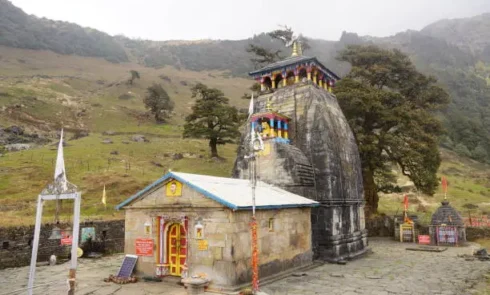
Bansi Narayan Trek is a high-altitude Himalayan trek that starts from Devgram village in Urgam Valley, Chamoli district, Uttarakhand. The trail leads to the beautiful Bansi Narayan Temple, a traditional shrine dedicated to Lord Vishnu, located at an altitude of approximately 3,500 to 3,600 metres. The route passes through mountain villages, forest sections, meadows and high ridges, making it an interesting experience for trekkers who enjoy exploring the quieter parts of Uttarakhand.
Bansi Narayan Temple is especially known for its traditional opening on Raksha Bandhan. The trek is not a simple village walk; it involves a long uphill climb and requires proper preparation.
In this guide, you will learn about the Bansi Narayan Trek route, starting point, approximate distance, difficulty, best time to visit, things to carry and important safety tips.
Table of Contents
- Where Is Bansi Narayan Temple?
- Why Is the Temple Famous?
- Bansi Narayan Trek: Quick Facts
- Devgram to Bansi Narayan Route
- Trek Distance and Duration
- Trek Difficulty
- Best Time to Visit
- What to Carry
- How to Reach Devgram
- Where to Stay
- Frequently Asked Questions
1. Where Is Bansi Narayan Temple Located?
Bansi Narayan Temple is located in the upper reaches of Urgam Valley in Chamoli district, Uttarakhand. The temple is situated in a high-altitude mountain landscape surrounded by forests and open meadows.
The trek generally starts from Devgram village, which is part of Urgam Valley. Devgram can be reached from Helang, a settlement on the Rishikesh–Badrinath highway.
The temple is not directly accessible by road. Visitors need to complete the uphill walk from the village with sufficient preparation.
2. Why Is Bansi Narayan Temple Famous?
Bansi Narayan Temple is a traditional shrine dedicated to Lord Vishnu. It is also known as Vanshi Narayan in some travel sources.
The temple is particularly famous for a local tradition according to which its doors are opened for worship on Raksha Bandhan. The festival falls on Shravan Purnima, and its date changes every year.
Local people and visitors gather for worship during this occasion. The temple’s location in the upper mountain region also makes the journey an attraction for trekkers.
If you are planning your visit around Raksha Bandhan, confirm the festival date, local arrangements and trail conditions before travelling.
3. Bansi Narayan Trek: Quick Facts
| Trek detail | Approximate information |
|---|---|
| Starting point | Devgram village |
| Region | Urgam Valley, Chamoli |
| Temple altitude | Approximately 3,500–3,600 metres |
| Trek distance | Around 12–15 km one way in commonly published route descriptions |
| Trek duration | Depends on route and itinerary; some documented plans take multiple days |
| Difficulty | Moderate to challenging |
| Main attraction | Bansi Narayan Temple |
| Traditional temple opening | Raksha Bandhan |
| Recommended support | Local guide |
Distance, altitude and duration figures vary across published trekking sources and route plans. Treat them as estimates, not guaranteed measurements. Confirm the current route with a local guide before departure.
4. Devgram to Bansi Narayan Trek Route
The Bansi Narayan Trek begins from Devgram and climbs towards the higher mountain region. A documented route described by Indiahikes includes the following locations.
Devgram Village
Devgram is the starting point of the trek. It is located in Urgam Valley and can be reached by road from Helang, subject to local road access.
Before starting, check your equipment, water, food and guide arrangements.
Bansa Village
The trail climbs towards Bansa village. This section passes through terraced fields and offers views of the surrounding Urgam Valley landscape.
It is a useful point to take a short break before continuing uphill.
Uruba Rishi Temple
Uruba Rishi Temple is a small religious landmark on the route. Trekkers pass this area while continuing towards the higher sections of the trail.
Mulkharak Meadow
Mulkharak, also written as Mulakharak, is an important meadow and camping area mentioned in documented itineraries. The route climbs through forest sections before opening into the meadow landscape.
Some multi-day trek plans use this area for an overnight stop.
Bhagwati Devi Temple
The trail continues through forested sections towards Bhagwati Devi Temple. This part of the route includes uphill walking and requires a steady pace.
Berjik Dhar
Berjik Dhar is a ridge area along the route. The trail changes direction here and continues towards the higher mountain sections.
Chetarpal Mandir
Chetarpal Mandir is another landmark mentioned in documented trek descriptions. Follow your guide’s route rather than relying only on names or written directions.
Nokchuna Dhar and Bansi Narayan
The trail continues through higher terrain towards Bansi Narayan Temple. The final approach takes you into the mountain landscape around the shrine.
The route can be demanding, especially in poor weather. Start early and follow the schedule recommended by your guide.
5. Bansi Narayan Trek Distance and Duration
The Bansi Narayan Trek is commonly described as approximately 12 to 15 km one way from Devgram, depending on the route and starting point.
IndiaHikes has documented a multi-day itinerary that includes a trek from Devgram towards Mulkharak, followed by further walking to the temple area. Another documented route describes a roughly 12 km trek taking around 8 to 10 hours.
These differences show why it is important to confirm the itinerary before starting. A one-day attempt and a multi-day trek have different requirements for fitness, food, water and overnight arrangements.
Do not depend on a single online distance estimate when planning your return time.
6. Bansi Narayan Trek Difficulty
The Bansi Narayan Trek is generally described as moderate to challenging. The route involves a long uphill climb from Devgram to a high-altitude temple.
Some sections are gradual, while other parts include steeper climbs through forest and ridge terrain. The difficulty depends on your fitness, weather, trail condition and whether you complete the journey in one day or over multiple days.
Who can attempt this trek?
People who are comfortable with long uphill walks and have prepared for trekking may consider this route. Beginners should not underestimate the distance or elevation gain.
Before attempting the trek:
- Practise regular walking and uphill exercise.
- Build stamina gradually.
- Use trekking shoes with good grip.
- Walk at a steady pace.
- Take sufficient rest breaks.
- Consider a local guide.
- Do not continue if weather or health conditions become unsafe.
If you have a medical condition that may be affected by strenuous exercise or high altitude, seek medical advice before planning the trek.
7. Best Time for Bansi Narayan Trek
The most suitable trekking period depends on the weather, trail conditions and your reason for visiting.
April to June
Spring and early summer are generally considered suitable periods for trekking in this region, subject to current trail conditions. Days can be more comfortable, although mornings and higher elevations remain cold.
July to August
This is the monsoon period. Rain can make the trail slippery and increase the risk of landslides. Raksha Bandhan falls during this season, and the temple is traditionally opened for worship on that day.
Visitors planning a festival trip should be especially careful and confirm local weather and trail conditions.
September to October
The post-monsoon period can offer clearer mountain views and more comfortable trekking conditions. Confirm that the trail is open and suitable before setting out.
November to March
Winter brings cold conditions and possible snow at higher elevations. The route may become unsuitable for inexperienced trekkers. Do not attempt it without checking current conditions with a knowledgeable local guide.
8. What Should You Carry for the Bansi Narayan Trek?
Good preparation makes a significant difference on a long mountain trek.
Clothing
- Warm jacket and extra layers
- Comfortable trekking clothes
- Rain jacket or poncho
- Extra socks
- Woollen cap and gloves when required
Footwear
- Trekking shoes with good grip
- Comfortable spare footwear for the stay
- Socks suitable for long walks
Food and Water
- Drinking water
- Packed lunch
- Energy-rich snacks
- Reusable water bottle
- Any personal dietary supplies you may need
Ask your guide about reliable water sources along the route. Do not assume that water will be available at every section.
Safety Essentials
- Personal medicines
- Basic first-aid kit
- Torch or headlamp
- Fully charged phone
- Power bank
- Sunglasses
- Sunscreen
- Small bag for carrying your waste back
If your itinerary includes camping, confirm in advance who will arrange the tent, sleeping bag, food and other equipment.
9. How to Reach Devgram, the Starting Point
From Delhi
Travel from Delhi towards Rishikesh and continue along the Badrinath highway through Devprayag, Srinagar, Rudraprayag, Karnaprayag, Chamoli and Pipalkoti to Helang.
From Helang, arrange local transport towards Urgam Valley and Devgram. The final road section is a mountain route, so confirm its condition before travelling.
From Rishikesh
Travel towards Helang on the Rishikesh–Badrinath highway. From Helang, continue towards Urgam Valley using a local taxi or shared jeep, subject to availability.
By Train
Rishikesh and Haridwar are commonly used railway points for this journey. Continue from the station by road towards Helang.
By Air
Jolly Grant Airport near Dehradun is the nearest commonly used airport. From there, travel by road through Rishikesh towards Helang.
For more detailed route information, read our Delhi to Urgam Valley travel guide.
10. Do You Need a Guide for Bansi Narayan Trek?
A local guide is strongly recommended for the Bansi Narayan Trek.
The route includes forest sections, uphill climbs, ridges and changing mountain conditions. A local guide can help you understand the route, estimate walking time and make arrangements for food or an overnight stop.
Before confirming your trek, ask:
- Is the trail currently open?
- Which route will we follow?
- How many days will the trek take?
- Where will we rest or camp?
- What food and water arrangements are available?
- Are any local permissions required?
- What is the expected return time?
Share your trekking plan with your accommodation or another responsible local contact.
11. Where to Stay Before the Bansi Narayan Trek
Staying in Urgam Valley before the trek gives you time to rest and prepare. You can also speak with local residents about the route and guide arrangements.
Urvil Homestay is located in Urgam village. The property has five rooms with attached bathrooms, hot water and Wi-Fi. The indicative room rate shared by the property is approximately ₹1,500 to ₹2,000 per night. Confirm the latest rates, meal arrangements and room availability directly before booking.
If you plan to trek early in the morning, contact the property in advance to discuss your arrival time and local arrangements.
Frequently Asked Questions About Bansi Narayan Trek
Where does the Bansi Narayan Trek start?
The Bansi Narayan Trek generally starts from Devgram village in Urgam Valley, Chamoli district, Uttarakhand.
How long is the Bansi Narayan Trek?
Commonly published route descriptions give an approximate distance of 12 to 15 km one way. The actual distance depends on the route and starting point.
How difficult is the Bansi Narayan Trek?
It is generally described as moderate to challenging because of the long uphill climb and high altitude. Fitness, weather and route conditions affect the difficulty.
When does Bansi Narayan Temple open?
The temple is traditionally opened for worship on Raksha Bandhan, which falls on Shravan Purnima. The date changes every year.
Can beginners do the Bansi Narayan Trek?
A fit beginner who has prepared for long uphill walking may consider the trek with a local guide. It should not be treated as an easy walk.
How high is Bansi Narayan Temple?
Published sources commonly place the temple at approximately 3,500 to 3,600 metres above sea level. Exact figures vary between sources.
Do I need a guide for the Bansi Narayan Trek?
A local guide is strongly recommended for route guidance, safety and local arrangements.
Is the Bansi Narayan Trek suitable during the monsoon?
Monsoon conditions can make the route slippery and increase the risk of landslides. Check the weather and trail conditions with a local guide before planning.
Where can I stay before the trek?
You can stay in Urgam village and arrange your trek from Devgram. Check accommodation and local guide availability in advance.
Plan Your Bansi Narayan Trek from Urgam Valley
The Bansi Narayan Trek offers an opportunity to explore the higher reaches of Urgam Valley and experience its forests, meadows and mountain landscape. The temple’s Raksha Bandhan tradition adds a special religious connection to the journey.
Prepare properly, confirm the route with a local guide and allow enough time for the trek. If you are planning to stay in Urgam before starting, contact Urvil Homestay for accommodation and local information.
Website: https://urvilhomestay.in/
Rooms and Rates: https://urvilhomestay.in/rooms-urvil-homestay-urgam-village/
Booking: https://urvilhomestay.in/book-now/