
Urgam Valley, Uttarakhand: Location, Distance, Places to Visit & Travel Guide (2026)
By Sandeep Panwar, Urvil Homestay, Urgam Village. Last updated 13 November 2026.
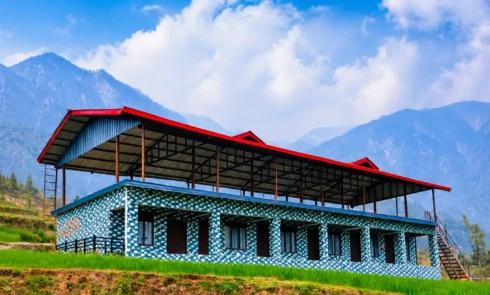
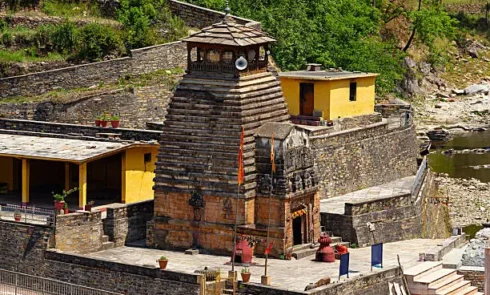
Urgam Valley is a quiet valley in the Joshimath block of Chamoli district, Uttarakhand, at roughly 2,100 to 2,200 metres. It is best known for Kalpeshwar Temple, the fifth Panch Kedar shrine and the only one that stays open all year. The valley is about 250 km from Rishikesh and around 25 to 27 km from Joshimath, reached by a branch road from Helang on the Badrinath highway.
That is the short answer. This guide covers the exact location, distances from Delhi, Rishikesh, Srinagar, Chamoli and Badrinath, the best season, places to visit, and where to stay.
Urgam Valley at a Glance
| Quick Fact | Detail |
|---|---|
| Location | Joshimath block, Chamoli district, Uttarakhand |
| Altitude | About 2,100 to 2,200 m (sources differ) |
| Known For | Kalpeshwar Temple (5th Panch Kedar), Dhyan Badri, apple orchards, village walks, treks |
| Turn-off | Helang, on the Rishikesh to Badrinath highway |
| From Rishikesh | About 250 km |
| From Joshimath | About 25 to 27 km |
| Nearest Railway Station | Rishikesh (Haridwar is the other main railhead) |
| Nearest Airport | Jolly Grant, Dehradun |
| Open All Year | Kalpeshwar Temple, yes. Roads can close in monsoon and snow. |
What Is Urgam Valley?
Urgam Valley is the valley of the Kalpganga river, which meets the Alaknanda near Helang. The slopes are covered in dense forest, and the lower fields are terraced, with apple orchards and a lot of potato farming, according to the Wikipedia entry on Kalpeshwar. The main villages are Urgam, Devgram and Bargindha.
Most people first hear about it through Kalpeshwar. Until a road was built from Helang, pilgrims reached the temple by a long walk. Now vehicles reach Urgam and Devgram, so travellers can spend a night or two in a village instead of making only a quick darshan. The Uttarakhand Tourism page on Panch Kedar describes the same route: jeeps from Helang up to Urgam, then a short trek to the temple.
Urgam Valley Location: Where Is It?
Urgam Valley lies off the Rishikesh to Badrinath highway (NH 58). Helang is the turn-off, about 12 to 14 km before Joshimath. From Helang a branch road crosses the Alaknanda and climbs into the valley. Published distances for this branch road run from about 9 km to 13 km, because sources measure to different villages. Himalayan High, a trekking company, puts it at about 10 km and 30 minutes by shared jeep.
To find it on a map, search for “Urgam Village, Joshimath” or for Kalpeshwar Temple. Our Contact page has directions.
A common mix-up. Some online guides place Urgam near Chopta, Kalimath or Tungnath. That is a different part of Garhwal. Urgam Valley in Joshimath is in Chamoli district, and Tungnath is roughly 100 km away by road.
Urgam Valley Distance Chart
| From | To Urgam Valley or Kalpeshwar | Approx. Time |
|---|---|---|
| Joshimath | 25 to 27 km | About 1 hour |
| Helang | 9 to 13 km | 30 to 60 minutes |
| Chamoli town (Gopeshwar) | About 56 km | 1.5 to 2 hours |
| Srinagar (Garhwal) | About 140 km | 4 to 5 hours |
| Rishikesh | About 250 km | 7 to 9 hours |
| Haridwar | About 275 km | 8 to 10 hours |
| Jolly Grant Airport, Dehradun | About 265 to 285 km | 8 to 10 hours |
| Delhi | About 480 to 500 km | 12 to 14 hours |
| Badrinath | About 65 to 70 km | 2.5 to 3 hours |
These are road estimates. Websites quote slightly different numbers, depending on whether they measure to Helang, Urgam village, Devgram or the temple. Check the final leg on Google Maps before you leave.
Rishikesh to Kalpeshwar Distance
If you are searching for the Kalpeshwar Mahadev distance from other cities, the table above has the main ones, and the notes below explain each.
The road from Rishikesh to Urgam is about 250 km on the Badrinath highway, through Devprayag, Srinagar, Rudraprayag, Karnaprayag, Chamoli and Pipalkoti to Helang. Plan seven to nine hours of driving. Wikipedia gives 253 km from Rishikesh to Urgam. Kalpeshwar is then 1 to 2 km on foot.
Joshimath to Kalpeshwar Distance
Kalpeshwar is about 27 km from Joshimath. That includes the 12 to 14 km back down the highway to Helang and the branch road up to Urgam. It takes roughly an hour by taxi, plus the short walk.
Delhi to Urgam Valley Distance
Delhi to Rishikesh is about 230 to 260 km, depending on the route, and Rishikesh to Urgam adds about 250 km. That puts the Delhi to Urgam Valley drive at around 480 to 500 km, or 12 to 14 hours. Most people split it with a night in Rishikesh, Srinagar or Pipalkoti. Our detailed Delhi to Urgam Valley route guide has the stage-by-stage plan.
Srinagar to Kalpeshwar Distance
Srinagar (Garhwal) to Joshimath is about 143 km. Subtracting the Helang to Joshimath stretch and adding the branch road gives roughly 140 km from Srinagar to Urgam. This is a calculated figure, so treat it as approximate.
Chamoli to Kalpeshwar Distance
From Chamoli town (Gopeshwar), the distance to Kalpeshwar is about 56 km. Chamoli is also the name of the whole district, and the valley is in it.
Urgam Valley to Badrinath Distance
Badrinath is about 44 km beyond Joshimath. Adding the 25 to 27 km from Urgam to Joshimath puts Badrinath at about 65 to 70 km from the valley. The temple closes for winter, so check the opening dates on the Uttarakhand Char Dham registration portal and the Incredible India Badrinath guide.
How to Reach Urgam Valley
By Road
Take NH 58 from Rishikesh towards Badrinath. Stop for the night at Pipalkoti or Joshimath if you start late. At Helang, take the branch road into the valley. Shared jeeps and taxis run from Helang to Urgam, more reliably in the morning. Wikipedia describes the road as rough and best driven by an experienced driver, and some travellers report poor stretches after rain.
By Train
The nearest railhead is Rishikesh, with Haridwar the other main option. Both are well connected to Delhi. From there you need a taxi or bus for the rest of the way.
By Air
Jolly Grant Airport near Dehradun is the closest airport, roughly 265 to 285 km away by road.
The Last Stretch
The road now reaches Urgam and Devgram. From Urgam, Kalpeshwar is a walk of 1 to 2 km. Ask your homestay where the vehicle road currently ends, because this changes after landslides.
Best Time to Visit Urgam Valley
Kalpeshwar is open all year, so there is no closed season. What changes is the weather and the road.
| Season | Months | What to Expect |
|---|---|---|
| Spring and Early Summer | April to June | Mild days, cold nights, the clearest travelling conditions. Busy with pilgrims. |
| Monsoon | July to September | Green and wet. Landslides can close the Helang road. Travel only if the forecast is clear. |
| Autumn | October to November | Dry and clear, with good views. Mornings turn cold. |
| Winter | December to March | Cold, with snow possible at higher elevations. Kalpeshwar stays open, but the road can be affected. |
Check the forecast for your dates on the India Meteorological Department site, then confirm road conditions with your host. These are general seasonal patterns, not a guarantee. Our month-by-month page covers each month in detail: Best Time to Visit Urgam Valley.
Places to Visit in Urgam Valley
Kalpeshwar Temple
This is the main reason to come. Kalpeshwar is a cave temple at about 2,200 metres where Shiva’s matted hair, or Jata, is worshipped. It is the fifth of the Panch Kedar temples. Read the Incredible India page on Kalpeshwar for the official description, and our own Kalpeshwar Temple Guide for the history and route.
Dhyan Badri
Dhyan Badri is a Vishnu temple in Bargindha village, at about 2,135 metres. Its four-armed black stone idol sits in a meditative posture. It is counted in the Sapta Badri list and is sometimes included in the Panch Badri list. Legend links it to Urvarishi, a descendant of the Pandavas, who meditated here. More in our Dhyan Badri Temple Guide.
Village Walks and Orchards
Walk through Urgam, Devgram and the villages around them. You will pass terraced fields, apple orchards and houses with slate roofs. Ask before photographing people or their property, and keep to the paths so you do not walk over crops.
Bansi Narayan
Bansi Narayan is a Vishnu temple on a high meadow, reached on foot from Devgram. It opens to visitors only once a year, on Raksha Bandhan, according to the Free Press Journal. Go only with a local guide, and start early. Route and difficulty are in our Bansi Narayan Trek Guide.
Rudranath and Other Treks
The Kalpeshwar to Rudranath route is a recognised multi-day trek described by Indiahikes. Local tourism sources also list treks towards Nandikund, Ginni glacier and Panpatia glacier from this side of Chamoli. These are serious treks for prepared groups, not afternoon walks.
Why People Like Urgam Valley
- Kalpeshwar is open in winter. It is the one Panch Kedar shrine pilgrims can visit between December and March.
- It is quiet. The valley is not on the main Badrinath to Auli tourist circuit, so evenings are calm.
- The walk is short. Kalpeshwar is 1 to 2 km from Urgam, which suits older pilgrims and families.
- It is a base for treks. Bansi Narayan and Rudranath start on this side.
- Village life is still visible. Farming, apple orchards and local temples are part of the daily scene.
Places Near Urgam Valley
- Joshimath (Jyotirmath): 25 to 27 km, the nearest town, with Narsingh Temple, markets and fuel.
- Vriddha Badri: About 7 km from Joshimath, on the way to Helang.
- Bhavishya Badri: About 10 km from Joshimath.
- Auli: Above Joshimath, known for meadows and winter snow.
- Badrinath and Mana: Badrinath is about 44 km beyond Joshimath, and Mana is about 3 km further.
- Govindghat and the Valley of Flowers: Govindghat is about 26 km from Joshimath and is the start of the trek to the Valley of Flowers, generally open from around June to October. Check the forest department for current dates.
See our full Nearby Places Page for each of these.
Where to Stay in Urgam Valley
Accommodation in the valley is mostly small homestays, so there are no large hotels. When you compare stays, check these things:
- The room rate for your dates, and whether meals and taxes are included.
- Hot water, and whether Wi-Fi works.
- How far the vehicle road is from the property.
- Parking, and where the last jeep stop is.
- Whether the host can tell you the current road and temple conditions.
Urvil Homestay is in Urgam village, with five rooms, each with an attached bathroom, hot water and Wi-Fi. Rooms cost ₹1,500 to ₹2,000 per night. See the Rooms and Rates, read our Urgam Valley Homestay Guide, or Book on WhatsApp.
A Simple Two-Day Itinerary
Day 1: Drive to Helang and take a jeep into the valley. Check in, rest, and walk through the village and orchards. Visit Dhyan Badri in the late afternoon.
Day 2: Start early for Kalpeshwar, so you finish the walk before midday. Return for lunch, then head back to Helang or on to Joshimath and Badrinath.
Add a third day if you want to try Bansi Narayan on Raksha Bandhan or another trek.
Urgam Valley FAQs
Where is Urgam Valley?
Urgam Valley is in Joshimath block, Chamoli district, Uttarakhand. You reach it from Helang, on the Rishikesh to Badrinath highway, about 12 to 14 km before Joshimath.
What is Urgam Valley famous for?
It is famous for Kalpeshwar Temple, the fifth Panch Kedar, and for Dhyan Badri, apple orchards and village walks.
How far is Urgam Valley from Joshimath?
About 25 to 27 km by road, roughly an hour.
How far is Kalpeshwar from Rishikesh?
About 250 km by road, 7 to 9 hours of driving, then a 1 to 2 km walk from Urgam.
How far is Urgam Valley from Delhi?
About 480 to 500 km by road, usually split into two days.
Is Kalpeshwar open in winter?
Yes. It is the only Panch Kedar temple open all year. Check road and snow conditions before travelling.
How far is Badrinath from Urgam Valley?
About 65 to 70 km by road, passing through Helang and Joshimath.
Is it safe to visit Urgam Valley in the monsoon?
Landslides can block the Helang road between July and September, so travel only in clear weather and confirm road status with your homestay first.
Which homestay should I choose in Urgam Valley?
Compare rates, facilities and reviews. Urvil Homestay has five rooms from ₹1,500 per night, with attached bathrooms, Wi-Fi and home-cooked meals.